In the mosaic of traditions that define the UK, Asian weddings stand as vibrant tapestries weaving together cultural heritage and contemporary elegance. As we delve into the grooming rituals of grooms in the context of traditional Indian weddings, discover how these practices, deeply rooted in cultural customs, seamlessly blend with modern trends to create a groom’s ensemble that speaks of maturity, tradition, and undeniable style.*
The Essence of Indian Wedding Grooming
In the backdrop of the elaborate and culturally rich Indian weddings, the grooming rituals for grooms play a pivotal role, connecting tradition with personal expression. Each aspect, from facial hair to accessories, carries profound cultural significance, reflecting the groom’s journey into marital bliss.
Cultural Significance of Beard and Moustache:
Masculinity and Maturity:In the tapestry of traditional Indian culture, well-groomed facial hair symbolizes maturity and masculinity. Grooms often choose styles that align with cultural norms, paying homage to family traditions.
Traditional Hairstyles:
Symbolism and Heritage:Traditional hairstyles, such as neatly tied buns or braids, go beyond aesthetics. They incorporate elements like flowers and pearls, reflecting cultural symbolism and preserving heritage.
Skincare in Ayurveda:
Nature’s Touch:Skincare in traditional Indian weddings aligns with Ayurvedic practices. Grooms indulge in skincare using natural ingredients like turmeric and sandalwood, ensuring a pre-wedding glow that resonates with cultural roots.
Fragrance and Attar:
A Fragrant Journey:The use of traditional fragrances, particularly attar, holds cultural significance. Grooms choose scents that align with traditional fragrances, creating a sensory experience deeply rooted in cultural roots.
Traditional Attire Tailoring:
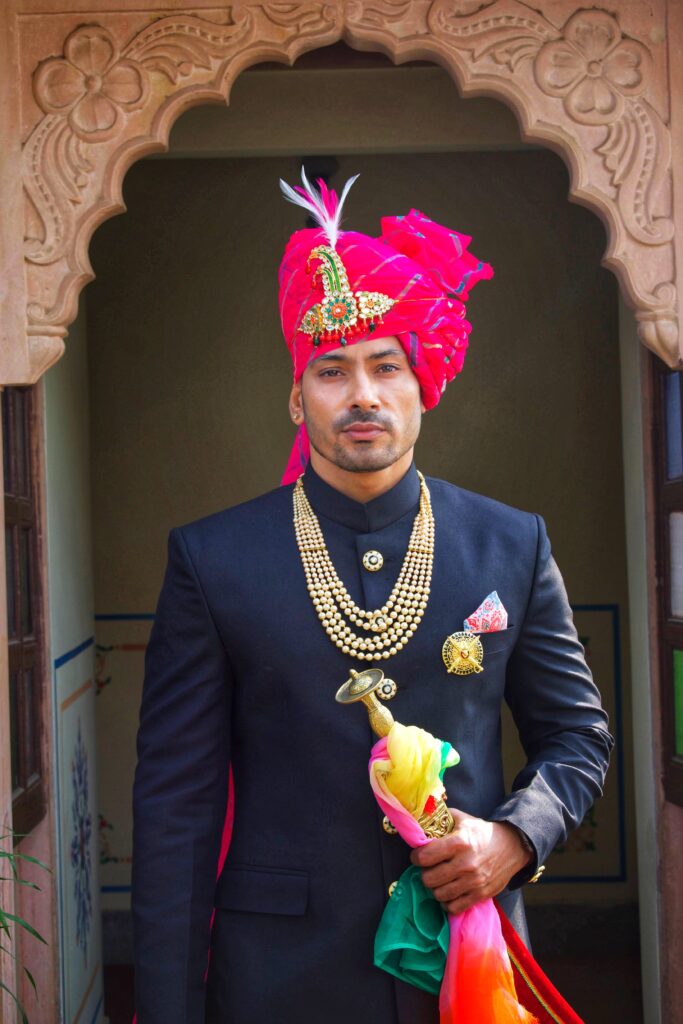
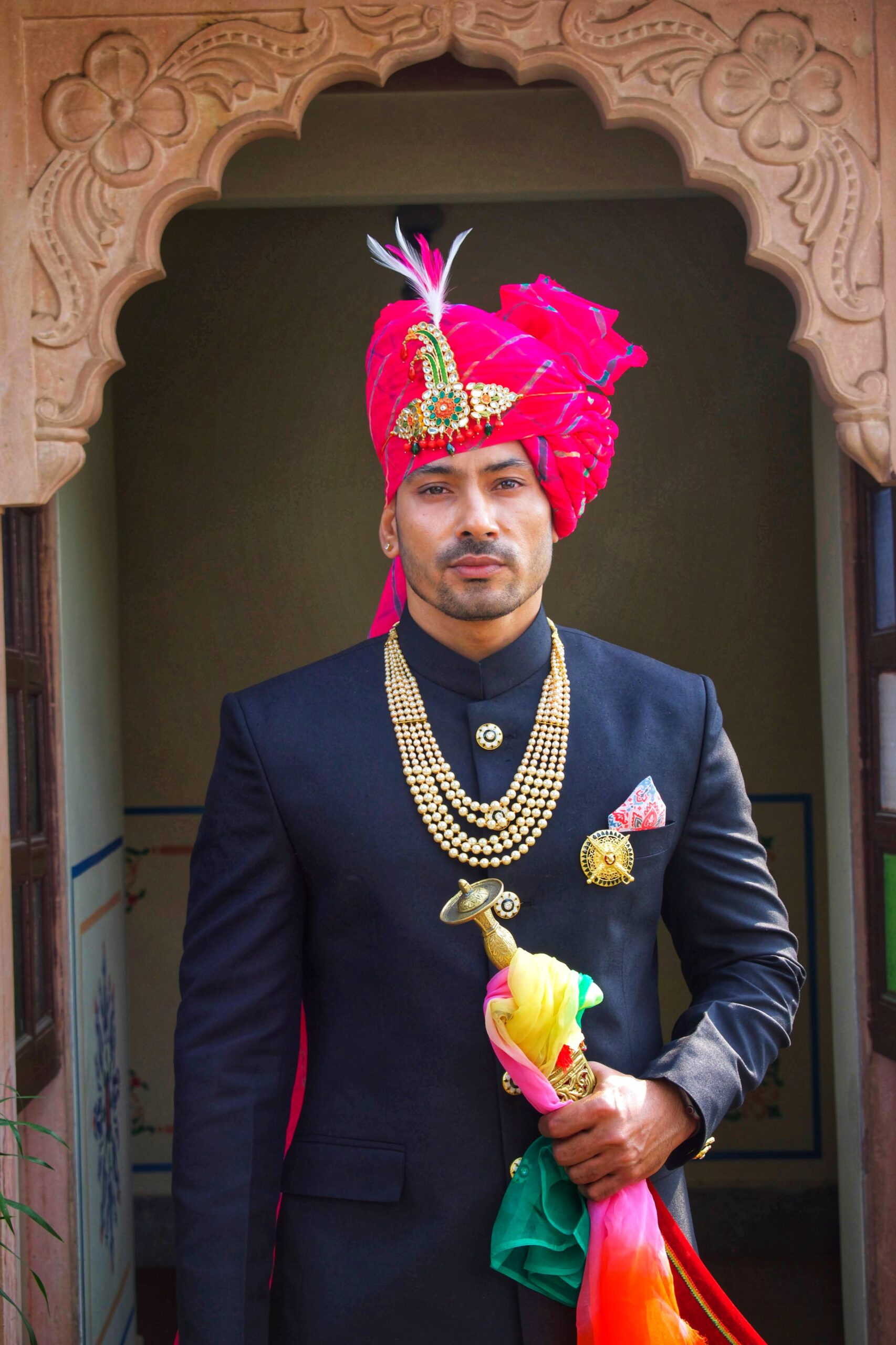
Regality in Fabric:Traditional Indian groom attire, from the majestic sherwani to the timeless dhoti, is not just clothing; it’s a manifestation of cultural history. Tailoring and accessorizing these outfits ensure the groom looks regal, adhering to cultural norms.
Mehendi and Nail Care:
Auspicious Adornments:Mehendi, a traditional part of Indian weddings, is not exclusive to brides. Grooms apply it on their hands as a symbol of auspiciousness. Nail care gains prominence during ceremonies like haldi, where turmeric paste adorns the groom’s hands and feet.
Importance of Accessories:
Cultural and Familial Significance:Traditional accessories like the safa (turban), kalgi (brooch), and jewelleryare pivotal. Beyond adornment, these accessories carry cultural and familial significance, connecting the groom to his heritage.
Teeth Whitening for Auspiciousness:
Auspicious Smile:A bright smile is considered auspicious in Indian culture. Grooms opt for teeth whitening, symbolizing joy and purity during the wedding ceremonies.
Confidence and Respectful Demeanor
Beyond Physical Appearance:Grooming extends beyond the physical; it encompasses the groom’s demeanour. Respectful conduct, humility, and confidence align with traditional values, contributing to a harmonious celebration.
In summary, the grooming process for a traditional Indian wedding in the UK is a journey that blends cultural significance, symbolic elements, and heritage. As grooms incorporate modern grooming trends into these practices, they create a well-rounded and culturally rich experience, embodying tradition with undeniable style.